A sock is a tube.
A pattern is flat.
Something has to give.
Most pattern socks are only ever photographed on a foot. That is the one view where you cannot tell what the design actually is — half of it is inside a shoe and the other half is wrapped around a curve. So we publish the drawing itself, at its real proportions, with the repeat unit measured, before we show you anything else.
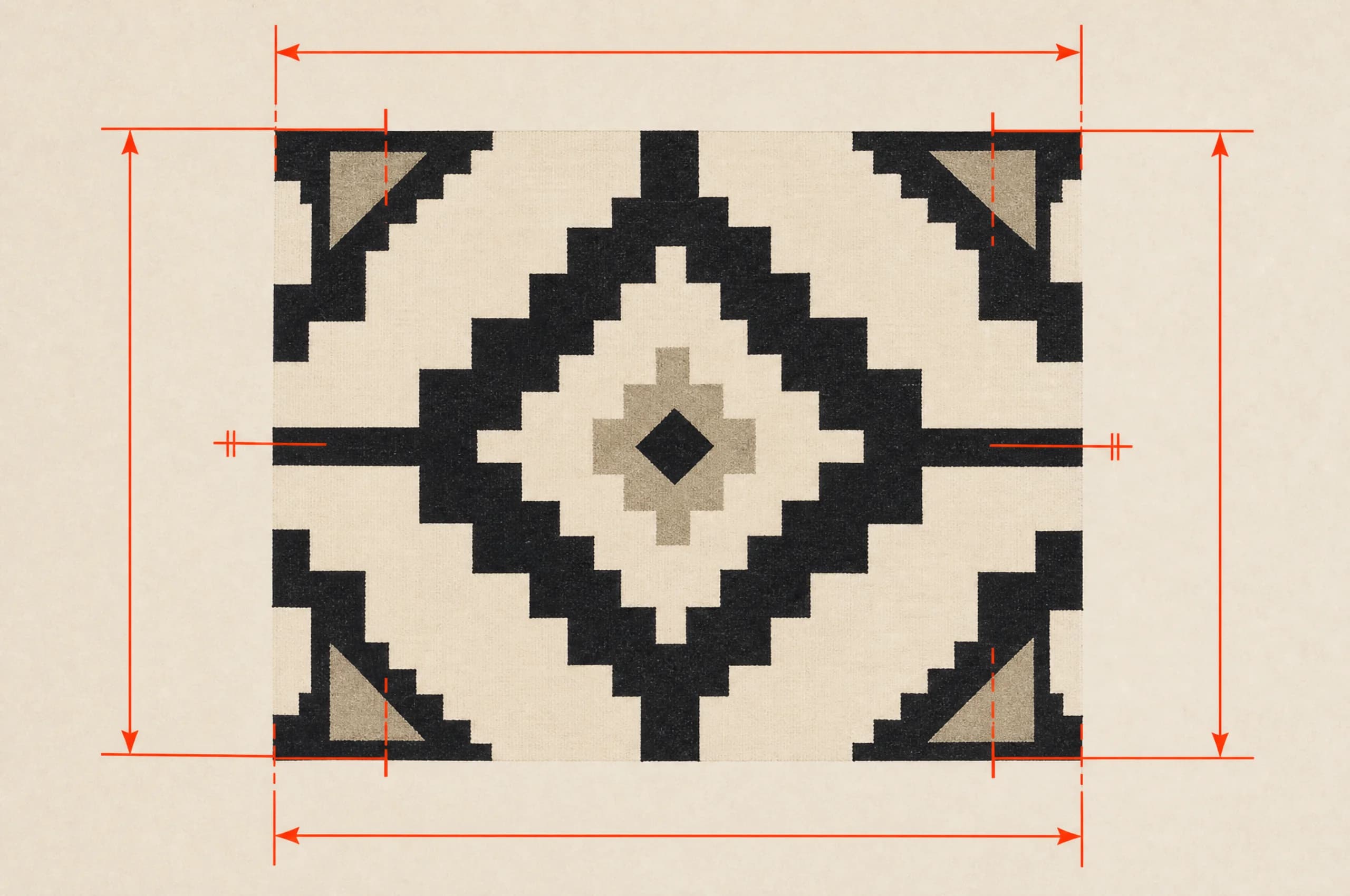
The drawing, flat
The pattern is photographed as a flat design sheet at its drawn proportions, with no sock-shaped cropping. This is the only view where the whole repeat is visible at once.
The same drawing, on a form
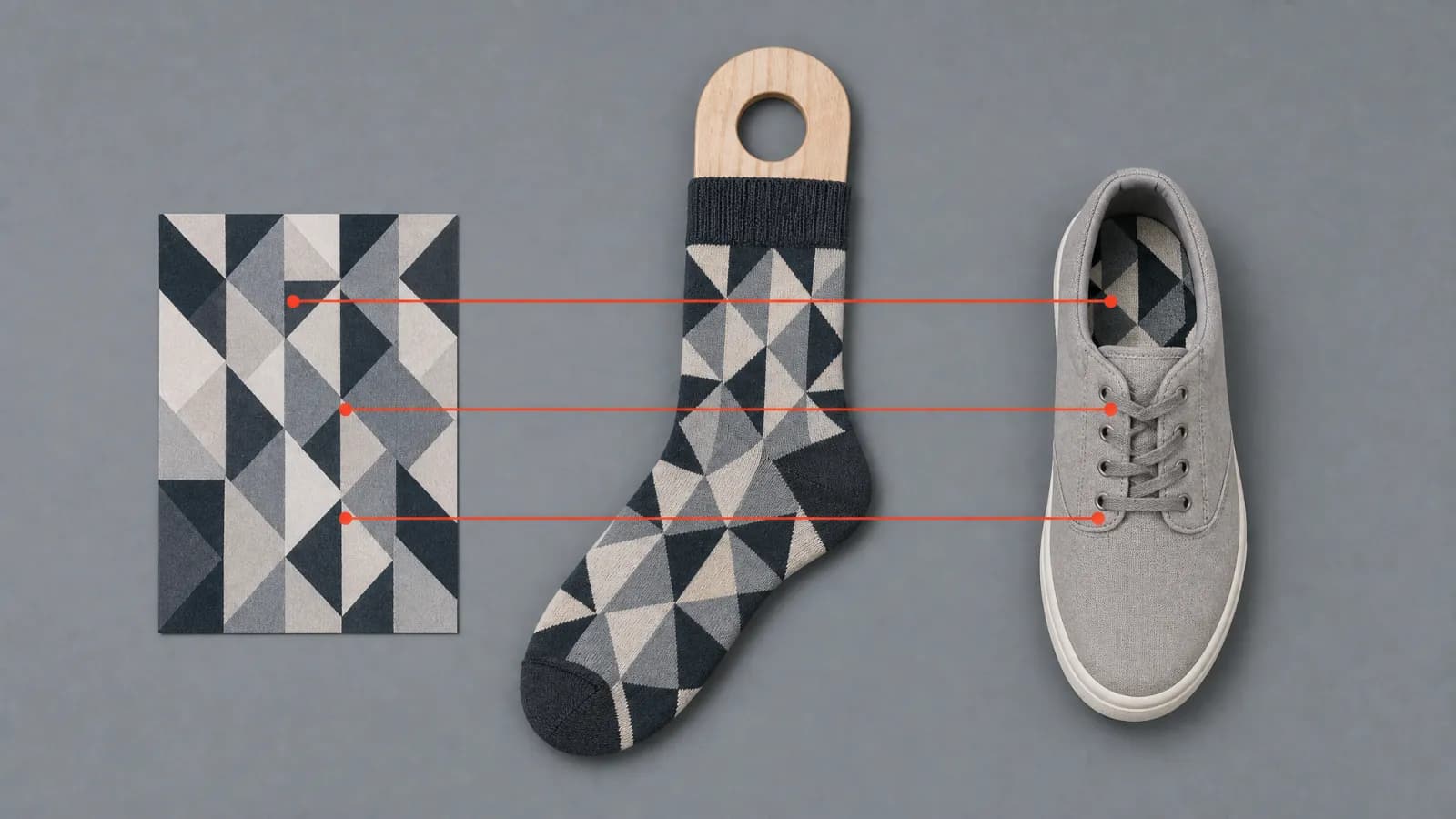
The identical pattern on a sock stretched over a sock form. The curve of the leg compresses the drawing along one axis and foreshortens it along the other. Nothing is retouched to hide that.
What a shoe leaves
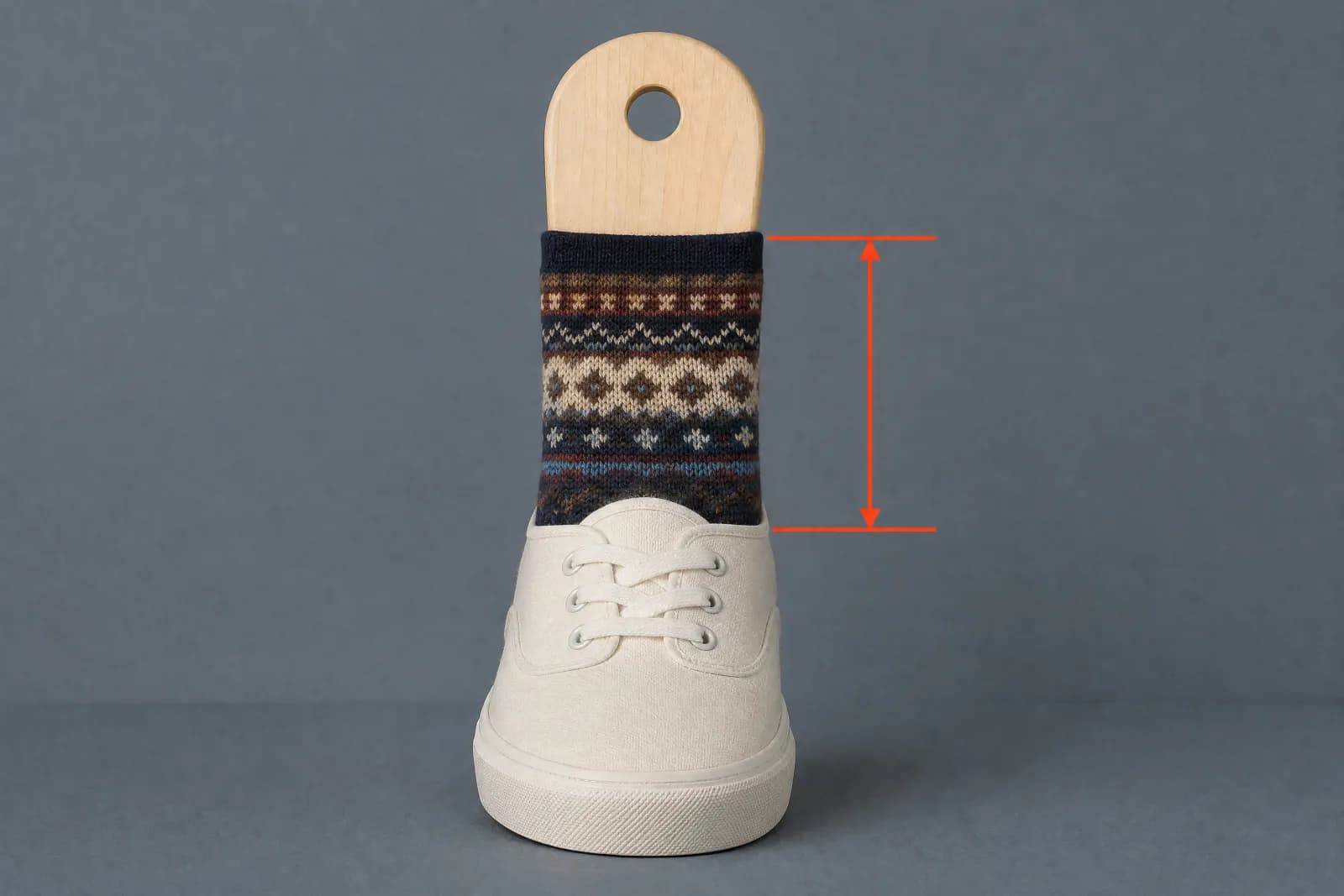
We measure how much of the pattern stays above a low-cut shoe collar and publish that number on every product page. For some designs it is most of the drawing. For a toe split, it is almost none.
Flip between the two
This is Grid Fade. Its repeat runs from 16 mm at the densest point, and about 44% of it stays visible above a low-cut shoe. Every product page has this same control.
The bar shows the share of the drawing a low-cut shoe leaves visible.
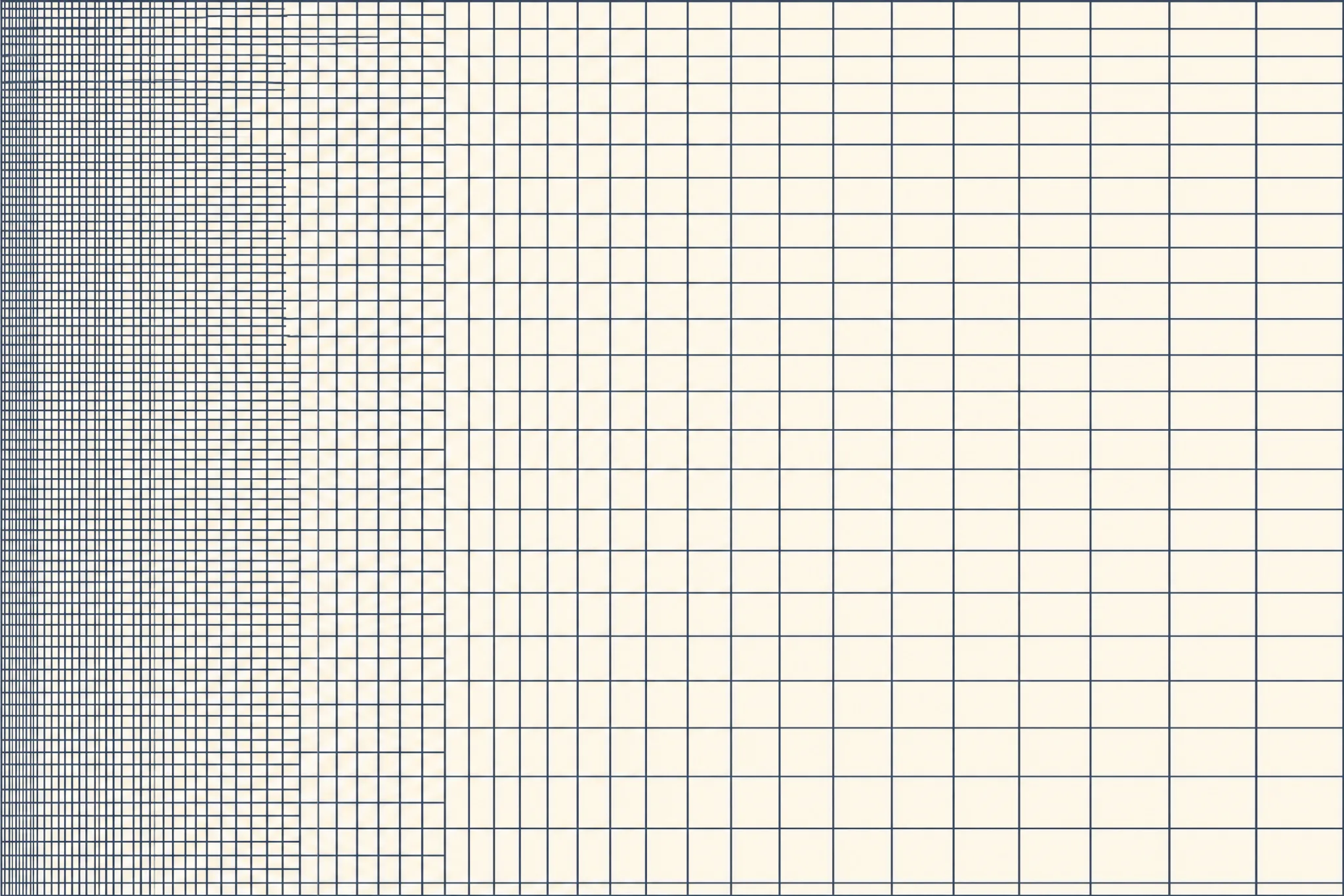
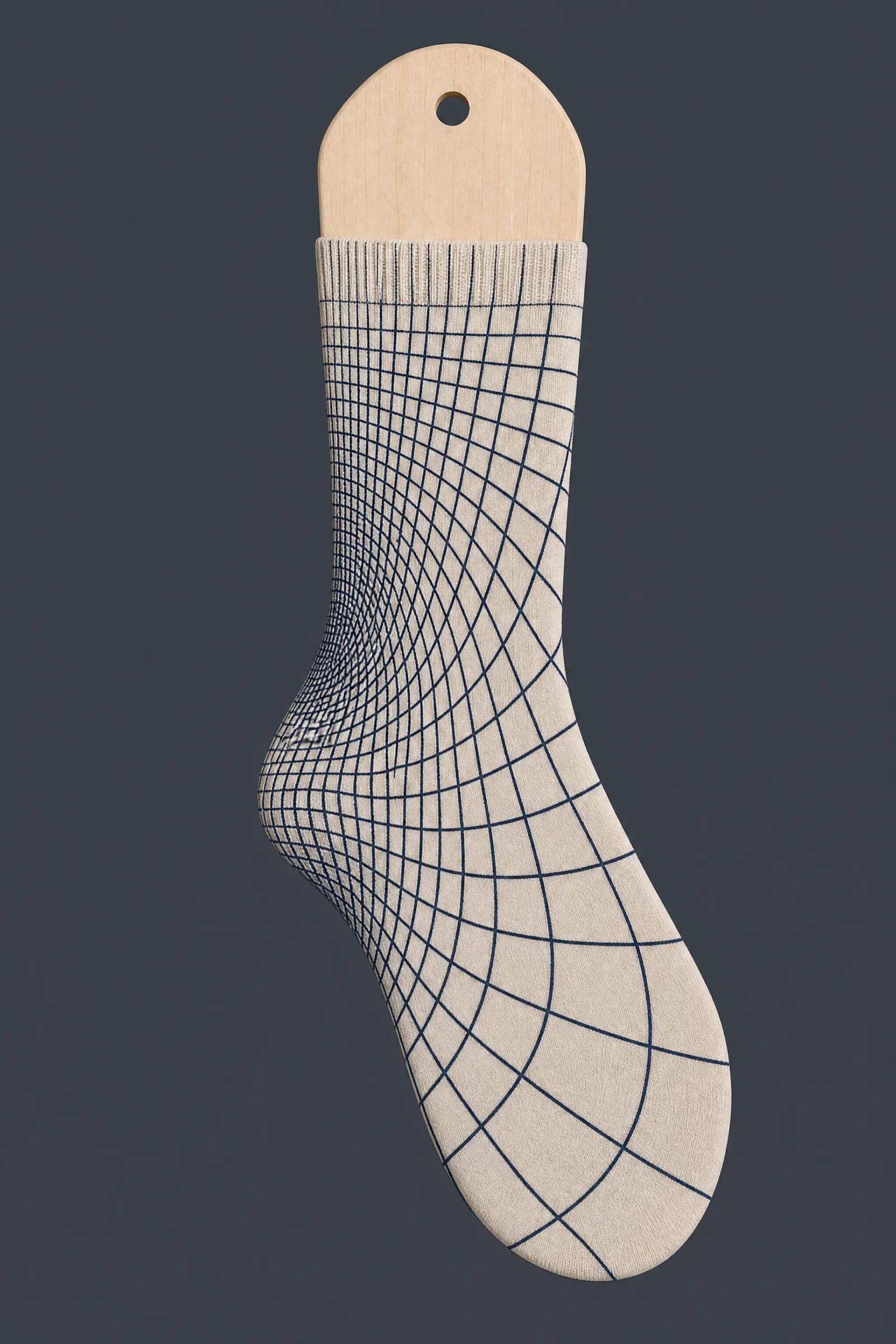
The two views are the same pattern. Flat is the drawing; on the form is what the curve of a leg does to it.
Repeat size decides
what you actually see
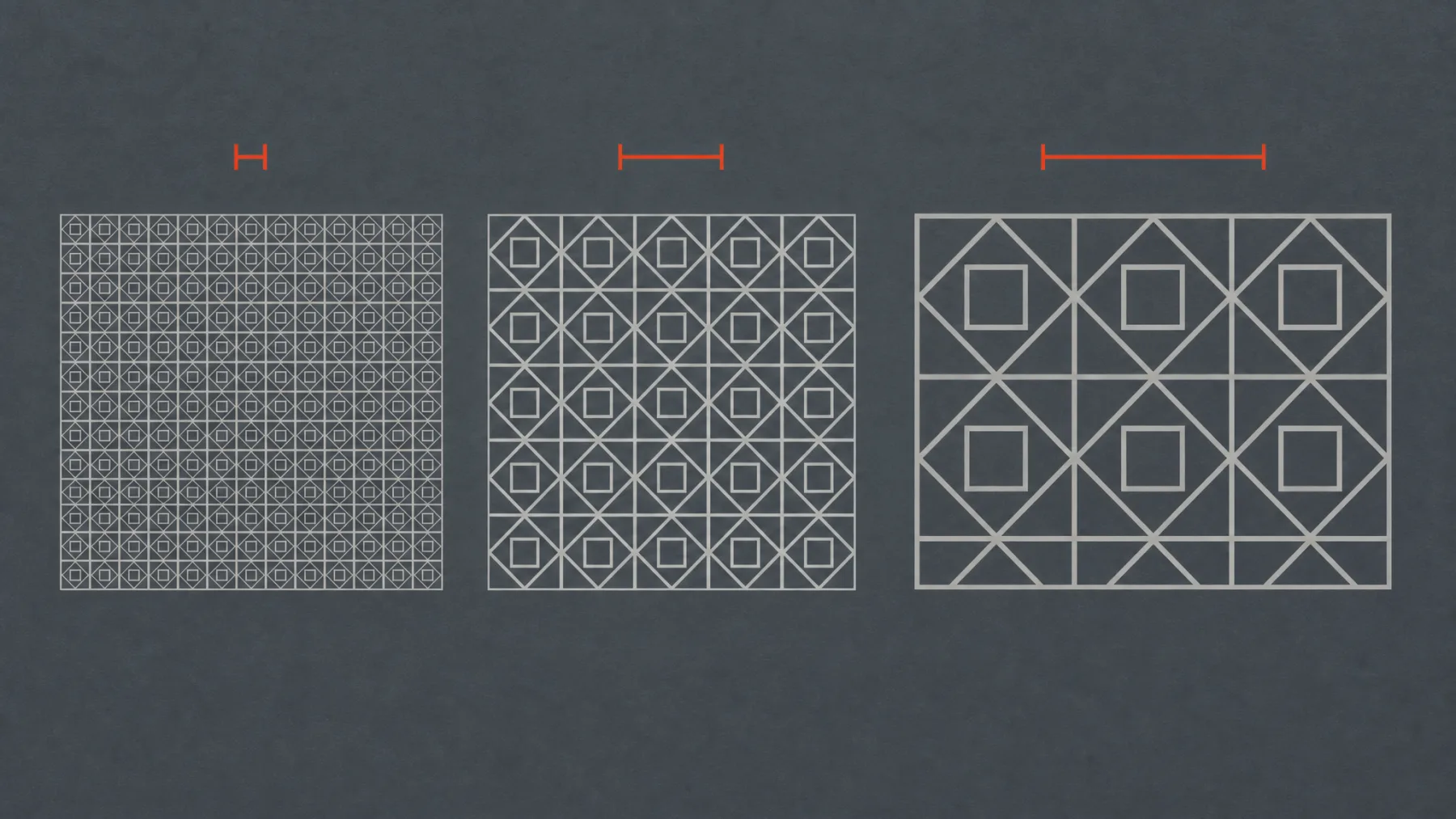
Two patterns can use the same drawing and the same colours and look nothing alike, purely because one repeats every 4 mm and the other every 40 mm. At a conversational distance the first is a tone and the second is a picture. It is the single most useful thing to filter by, and almost nobody publishes it.